Same cells.
Different decisions.

Two cells can express the same genes and still differ in which exons they keep and where their transcripts end. We build the technology and software to measure those decisions in single cells, and to find immune and tumor cell states that gene counts cannot tell apart.

Why we exist

Most single-cell studies count genes. That reduces about twenty thousand protein-coding genes to one number each and hides the more than two hundred thousand isoforms they produce. The differences lost in that count, such as which exon a transcript includes or which 3′ end it uses, can change what a cell does, including in drug-resistant cancer and in autoimmune disease. When a T cell is activated, for example, many of its mRNAs switch to shorter 3′ ends.

20,000 genes
1 dot = 10 genes (gray) or 10 isoforms (color), GENCODE 50.

Measure · Quantify · Integrate · Apply

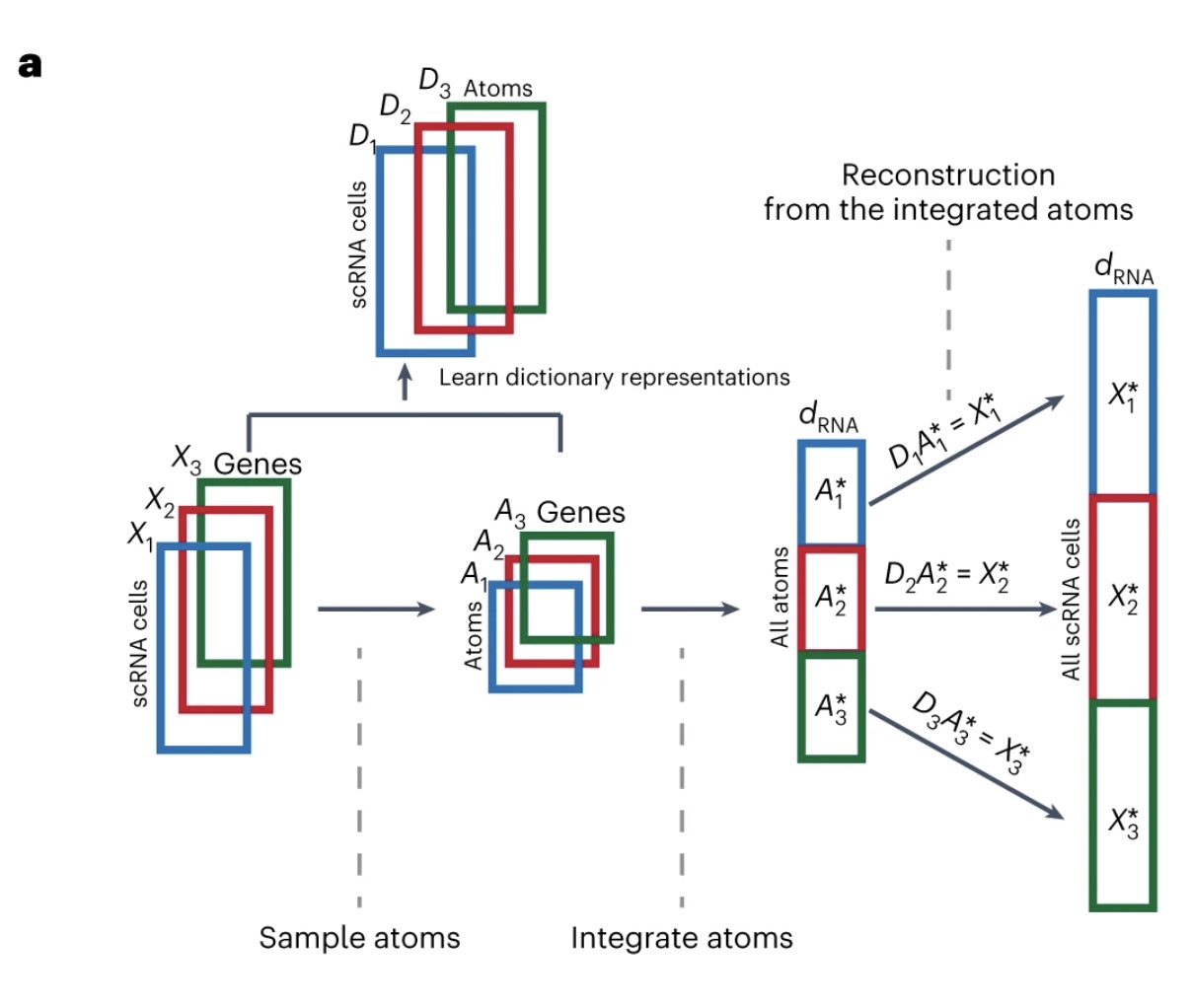
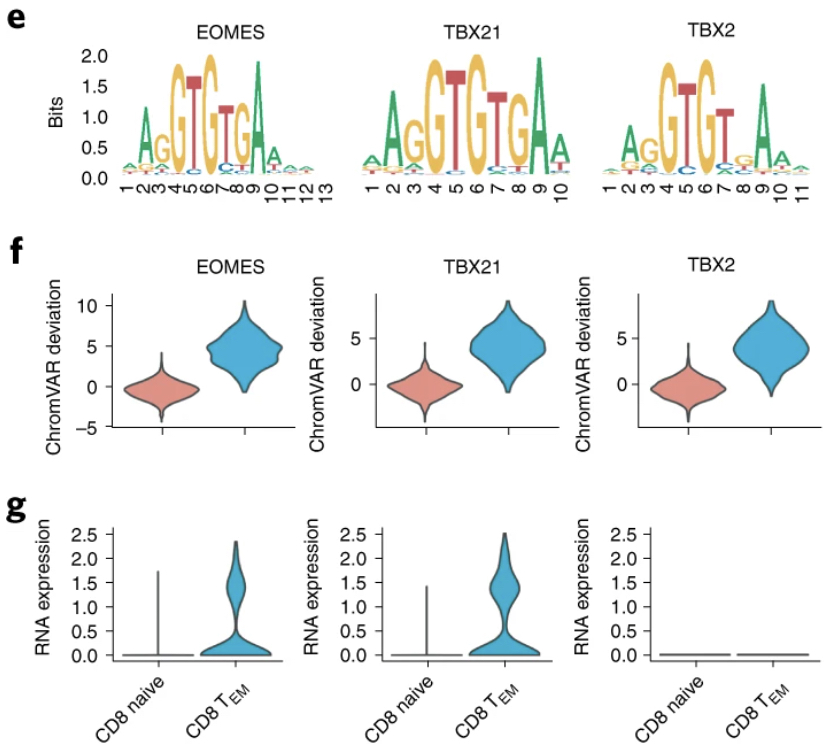
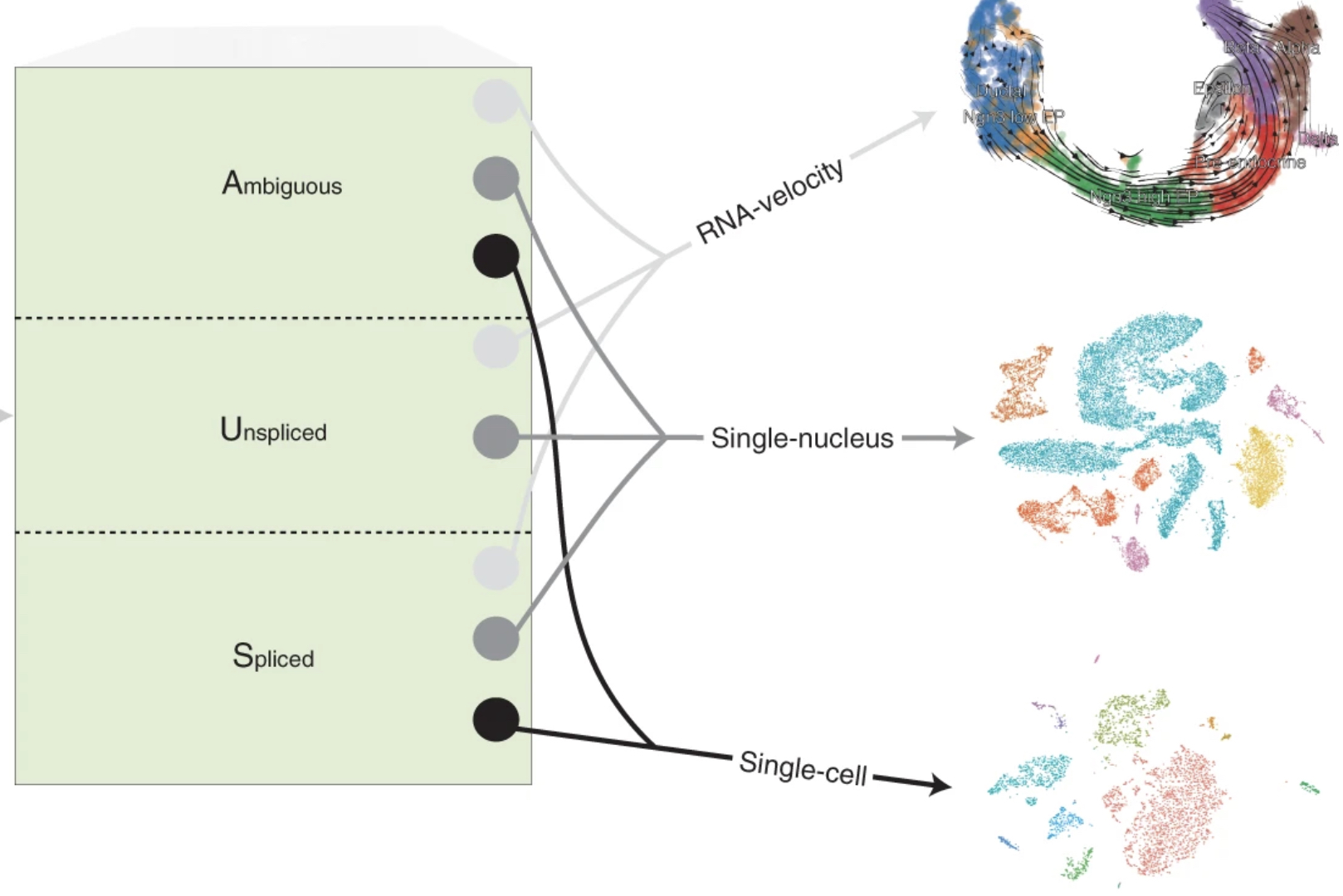
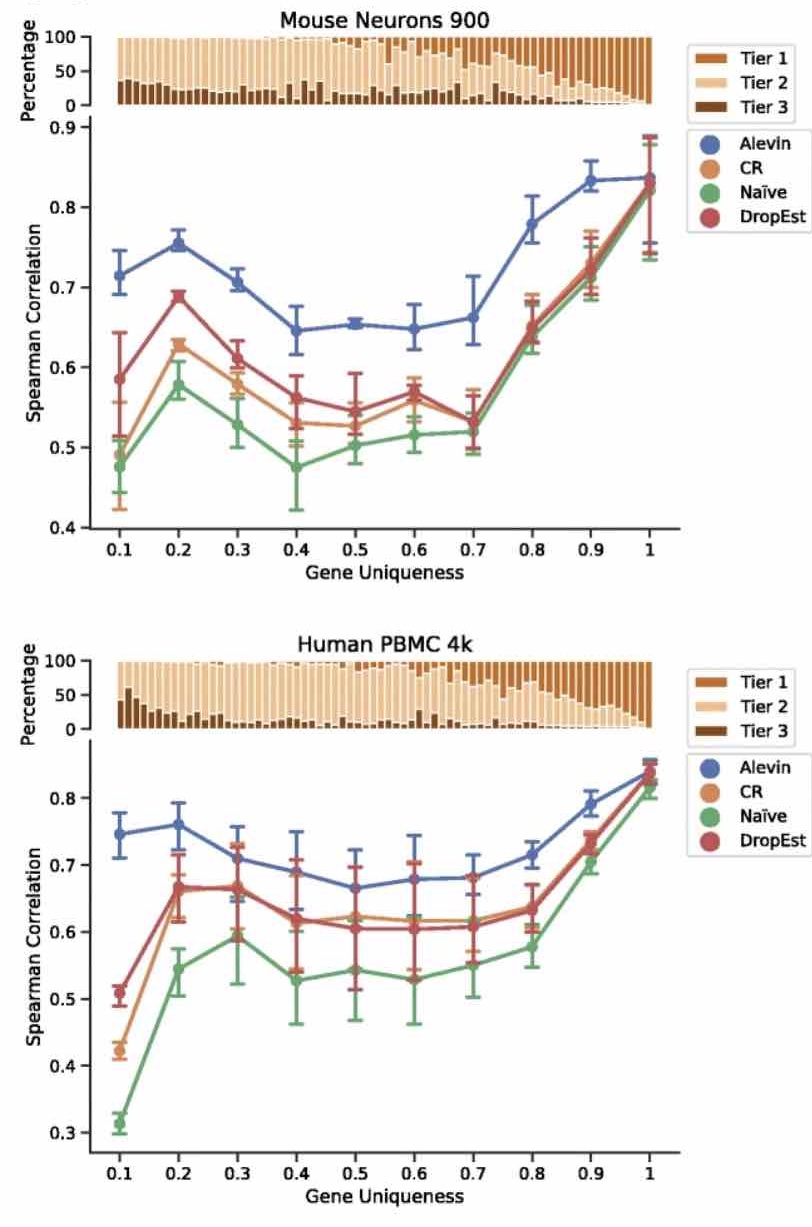
A benchtop single-cell platform, a long-read isoform pipeline, methods that connect its data to existing atlases, and two biology programs, one in cancer and one in autoimmunity.

dropletbarcoded beadcell More on BenchDrop-seq →

Built here at Wistar

Open-source methods developed in the lab since September 2023, each released with documented code.

All tools and vignettes →

What’s happening